
Could Future Implants Help Blind Kids See?


Every few months, a big tech story comes across my screen that makes me pause. Not because it promises miracles, but because it hints at where science might be heading and what that could eventually mean for our kids.
Recently, a new project in the vision-science world made headlines, and while it’s still in the very early stages, it’s worth paying attention to. Especially for those of us raising children who are blind or have severe vision loss, developments like these can spark both hope and questions.
A Quick Look at the Technology
Researchers are working on a device that aims to restore some usable vision by creating an artificial connection between the eye and the brain. Think of it as building a new communication pathway when the natural one isn’t working.
Here’s the very simplified version:
- A tiny implant is placed in the eye
- Special glasses with a built-in camera capture what’s in front of you
- The glasses send that visual information to the implant
- The implant then sends signals to the brain
- The brain interprets those signals as shapes, letters, or light patterns
If you’ve ever heard of cochlear implants for hearing loss, this is a little like a visual version, though much more complex and still experimental.
Researchers have shown that adults using early versions of this technology have been able to see large letters, follow lines, and identify simple objects. It’s not natural sight, and it’s not a cure for blindness. But it is the kind of progress that tells us scientists are slowly building better tools.
Could This Help Blind Children Someday?
Right now, this research is focused on adults with certain types of acquired blindness, like advanced macular degeneration.
But here’s why parents of blind children are paying attention:
- These systems bypass damaged parts of the eye
- They send information directly to the brain
- That means they might one day help people whose blindness comes from many different causes, not just those related to aging
For families of kids who are blind from birth, though, it’s important to be realistic:
- Children’s brains develop differently
- Early blindness shapes how the brain processes information
- Some visual pathways may never have formed
- It’s unclear how well an artificial visual signal would be interpreted by a brain that has never seen before
So while this technology is exciting, we are still very early in understanding how it might work for congenital blindness.
The Other Big Idea: Brain-Based Vision
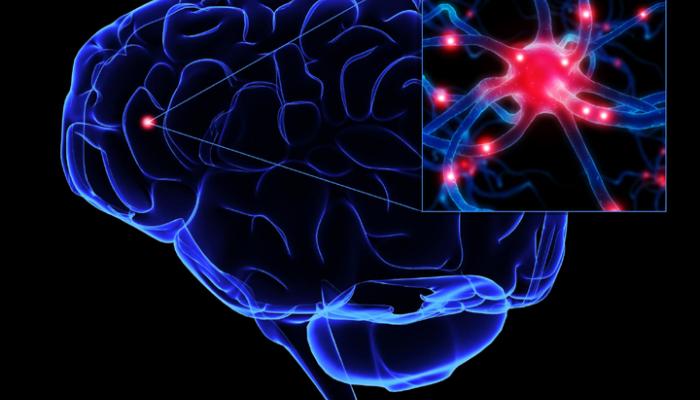

A second, even more futuristic idea being explored is bypassing the eye entirely. Instead of placing an implant in the eye, some researchers are studying implants that connect directly to the visual part of the brain.
This is much more experimental, and not something families should expect to see in hospitals anytime soon. But the basic concept is this:
- A camera captures visual information
- A device translates that information into patterns
- The patterns are sent straight to the brain
- The brain learns to interpret them as light, shapes, or movement
It sounds like science fiction, but early prototypes have shown that the brain is surprisingly adaptable.
Still, this is many years — possibly decades — away from being something offered to children.
What This Means for Families Right Now
It’s good for us parents to remember that progress in blindness research is real, and scientists are building more sophisticated tools than ever before. The newest vision-restoring technologies are still experimental, tested only in adults, and available only in research settings, but that will most likely change in the not-too-distant future.
Parents of blind children shouldn’t expect immediate breakthroughs, but staying informed helps us understand what the future might look like. Even if these technologies never apply directly to your child’s condition, they push the field forward and expand what we is currently possible.
Most importantly, technology is only one piece of the story. Children who are blind learn, grow, explore, and thrive right now with the tools and supports we already have: braille, cane skills, orientation & mobility training, assistive tech, and the love and advocacy of their families.
Anything new that comes along in the future is simply another tool, not the foundation of their success.
A Hopeful Way to View This Research
For many parents, it can be overwhelming to read clinical articles about implants, brain interfaces, and futuristic devices. But beneath the big technical language is a simple, human goal:
Scientists are trying to understand the brain well enough to give back abilities that were lost.
Even if these tools look very different from the hope we imagine, they reflect a growing commitment to improving life for people with visual impairments.
The information WonderBaby provides is not intended to be, and does not constitute, medical or other health advice or diagnosis and should not be used as such. Always consult with a qualified medical professional about your specific circumstances.
Related Posts

Parenting
Why Music and Multisensory Learning Matter for Blind Children
WonderBaby founder Amber Bobnar shares thoughts on Braille literacy, multisensory learning, tactile education, and music accessibility for blind and disabled children.

Parenting, Special Needs
Love Languages for Kids With Disabilities: 5 You Might Miss
Learn 5 love languages you might miss in kids with disabilities and special needs, plus simple ways to recognize and respond to their unique signs of connection and affection.

Parenting
How to Use Dialogic Reading to Build Literacy Skills for Kids Who Are Blind
Learn how dialogic reading can boost literacy for blind children. Discover the PEER method and practical tips for interactive storytime.