
Sensory Wall Art: 5 Tips to Create a Room Your Blind or Low-Vision Child Will Love

This post may contain affiliate links; please see our terms of use for details.
Creating a welcoming and engaging room for your blind or low-vision child is about more than aesthetics; it’s about crafting a space that feels uniquely theirs. Even if your child can’t see their surroundings, personalizing and decorating their room with thoughtful, sensory-friendly design can make a big difference in their confidence, independence, and joy.
Smartbaby Decor, founded by Dr. Dash—a pediatric optometrist and expert in infant and pediatric vision—specializes in creating thoughtfully designed, science-backed products that support visual development and sensory engagement. Unlike mass-produced items with generic designs, Smartbaby Decor’s products are crafted with care, manufactured in small batches, and ethically sourced to ensure safety, quality, and sustainability. Their Feel the Love line features high-contrast, large-scale wall decals designed to engage children with a range of visual abilities, including tactile aids and braille for those who benefit from sensory interaction. With their unique expertise and commitment to helping families, Smartbaby Decor offers a Love What You See Guarantee and even provides free consultations to guide parents in selecting the best products for their child’s needs.
Here are five ways to make your blind or low-vision child’s room special, with some fantastic product ideas from Smartbaby Decor to get you started.
1. Add Personal Touches for Children with Low or No Vision
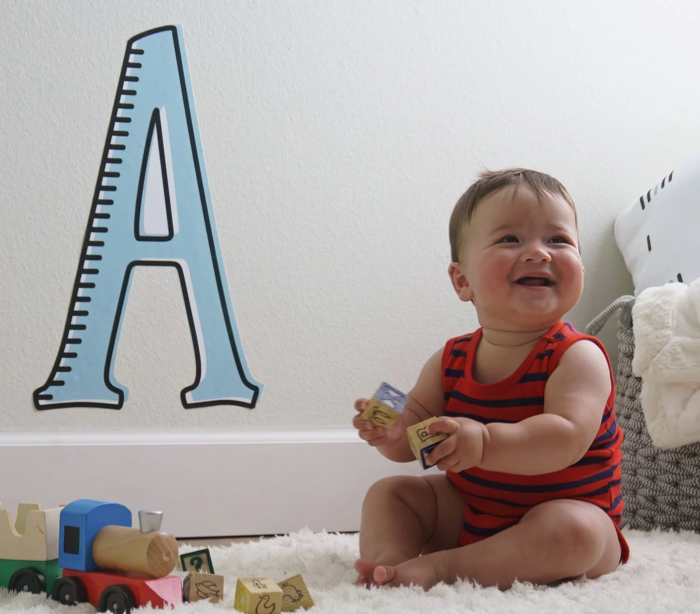
A child’s room is more than just a place to sleep—it’s their sanctuary. For children with low or no vision, personalizing their space helps build ownership, comfort, and a sense of identity.
Products like the Custom Letter Wall Art with Braille are perfect for this purpose. The large, colorful letters, paired with your child’s name in braille, help create a deeply personal and inclusive space. This type of decor reinforces early literacy while celebrating your child’s individuality.
Incorporating their name into the decor is not just a meaningful touch—it’s an educational opportunity. Learning to spell their name, whether in print or braille, is a key early literacy skill that helps children recognize their identity and build a foundation for reading and writing. Decor that includes their name makes learning tactile and fun, fostering both confidence and connection to their environment.
2. Use High-Contrast and Bold Colors for Visual Engagement
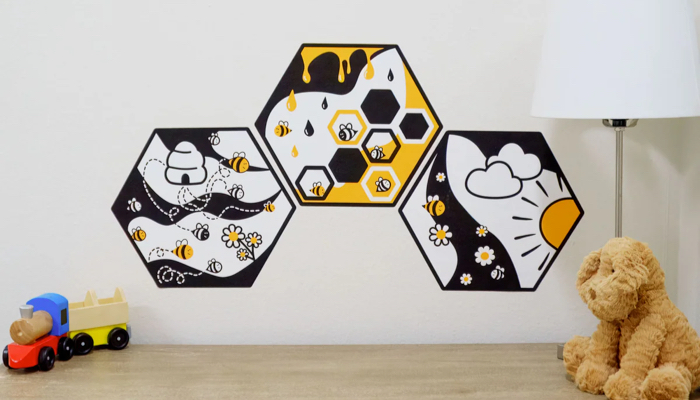
For children with low vision or cortical visual impairment (CVI), high-contrast colors are key to making their environment visually engaging. Bold patterns and bright hues can catch their attention and keep them motivated to explore their surroundings.
The Growth Chart with Braille from Smartbaby Decor is an excellent example. Its high-contrast text and stickers make tracking milestones a fun and visually stimulating activity for children with low vision (while the addition of braille makes the chart accessible for kids with no vision as well). Another great option is the Busy Bees Peek-a-Boo Patches, which are designed to encourage eye movement and focus through bright, contrasting designs.
You can also incorporate high-contrast visual stimulation into your child’s room by using bright, bold, patterned rugs or bedding with basic geometric shapes. These items create visually distinct areas that are easier for children with low vision to perceive. Another fun idea is to frame large, high-contrast artwork or photographs at your child’s eye level, providing visual landmarks that can help them navigate their space more effectively.
3. Make Wall Decorations Touchable with Textures and Tactile Elements
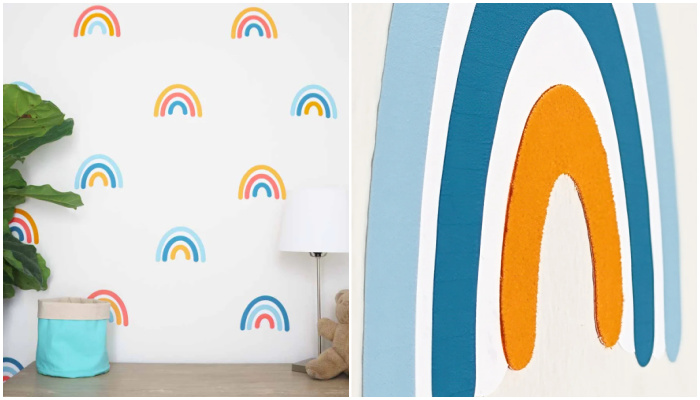
Wall art isn’t just for looking—it can be for touching, too! Adding textures and tactile elements makes decor interactive and engaging for children who are blind.
The Sensory Rainbow Fun Wall Art transforms ordinary wall decals into a sensory experience with luxurious velvet arches. These textures invite children to explore their surroundings with their hands, making the art accessible even if they can’t see it.
Looking for more ways to add touchable elements to your child’s room? Try creating a DIY sensory wall! Using materials like felt, soft fabric swatches, cork tiles, or even bubble wrap can provide a variety of textures for children to touch and explore. Another idea is to hang a textured fabric banner or quilt on the wall. This not only adds warmth and visual interest but also encourages tactile interaction, making the room feel more inviting and stimulating for children with sensory needs.
4. Incorporate Braille Wherever Possible
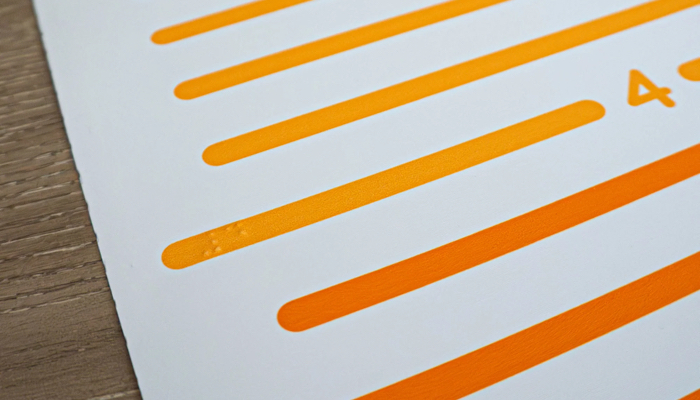
Early exposure to braille is crucial for children who are blind or have low vision. Including braille in your child’s room decor makes literacy a natural part of their daily life.
Products like the Growth Chart with Braille and the Custom Letter Wall Art with Braille are wonderful tools for this. By incorporating braille into fun, decorative elements, children can begin associating the tactile language with their environment, setting a strong foundation for future learning.
5. Use Tactile Elements to Enhance Orientation and Navigation
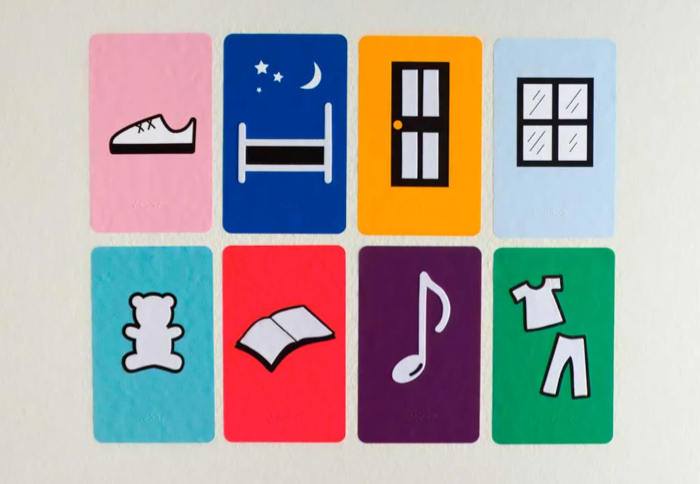
Helping your child navigate their room independently is an essential part of their development. Tactile and high-contrast markers can designate important areas, like toy storage or the dresser, making it easier for children to build confidence and independence.
The Room Navigator Set by Smartbaby Decor is a brilliant solution. These labels, featuring velvet or silicone textures and braille, help children locate key items and spaces. Whether on a toy bin or near a door handle, these tactile elements encourage early orientation and mobility skills.
Decorating your child’s room with sensory-friendly elements isn’t just about making the space beautiful; it’s about creating a world where your child feels seen, included, and empowered. By incorporating high-contrast colors, tactile elements, and braille, you can design a space that supports your child’s development and independence.
Smartbaby Decor’s innovative products make creating a room your child will love easier than ever. From the Growth Chart with Braille to the Sensory Rainbow Fun Wall Art, these thoughtful designs transform decor into tools for exploration, learning, and joy.
Ready to transform your child’s room into an inspiring and interactive space? Visit Smartbaby Decor’s website to learn about their full range of products.
Related Posts

Parenting
Why Music and Multisensory Learning Matter for Blind Children
WonderBaby founder Amber Bobnar shares thoughts on Braille literacy, multisensory learning, tactile education, and music accessibility for blind and disabled children.

Parenting, Special Needs
Love Languages for Kids With Disabilities: 5 You Might Miss
Learn 5 love languages you might miss in kids with disabilities and special needs, plus simple ways to recognize and respond to their unique signs of connection and affection.

Parenting
Could Future Implants Help Blind Kids See?
Learn about new research exploring advanced vision-restoring technology and what these emerging tools could mean for children who are blind or visually impaired.