
Sleep Training with the Ferber Method

This post may contain affiliate links; please see our terms of use for details.
Photo by Tamaki Sono
- Sleeping does not come naturally to most babies and they need to be taught how to sleep on their own
- Sleep training is a way to teach sleep skills to your baby
- The Ferber method of sleep training focuses on creating reliable and predictable sleep conditions for your baby
- If you’re focused and consistent, the Ferber method of sleep training can help your baby start to sleep on their own in less than two weeks
I know how you feel. I’ve been there. You’ve tried everything and you’re at the end of your rope. You’re baby just won’t sleep!
You’re pulling out your hair in frustration, and what little hair you have left is falling out because of stress and lack of sleep! You’re a mess. And so is your baby.
Sometimes a baby’s sleep problems can be solved with relatively simple sleep solutions, but more often than not, what they really need is a focused sleep training regimen. Probably the most reliable, though not uncontroversial, way to get your baby to sleep through the night is the Ferber method of sleep training.
Some parents refer to this style of sleep training as the “crying technique,” the “cry it out method” or even “Ferberization,” a term taken from the name of the famous child neurologist and sleep expert Dr. Richard Ferber who wrote the dramatically best selling book Solve Your Child’s Sleep Problems in which he explains how sleep training works.
No matter what you call it, employing a systematic and consistent sleep training method really is the best way to help your child sleep independently and for longer periods of time. We’ll take you through the concept step by step and explain how the Ferber sleep training method works—and the biggest pitfalls to avoid.
What is the Ferber Method of Sleep Training?
The concept behind the Ferber method is really very simple. Your child does not know how to fall asleep on her own and cannot stay asleep for very long because she has never been taught how to sleep. Some babies seem to just get it from the beginning, and their parents are very, very lucky indeed. However, most babies need to be taught how to sleep.
In order to solve your child’s sleep issues, you need to teach them how to sleep by setting up the sleep conditions for them ahead of time and then—and here’s the hard part—you need to let them fall asleep on their own in those conditions.
Why would you choose to sleep train with the Ferber method?
There are many options for parents who are looking to sleep train their baby, from leaving their baby to cry it out to staying in the room sitting in a chair near the crib. Which style of sleep training method you choose will depend on your baby’s temperament as well as your level of comfort with hearing your baby cry.
Kaley Medina, Pediatric Sleep Coach and owner of Live Love Sleep, the nation’s leading Pediatric and Adult Sleep Coaching Agency, says that the Ferber method “can be a good choice for parents who feel overwhelmed by staying in the room with their child as they’re learning how to fall asleep independently.” With the Ferber method parents leave the room, but return at timed intervals to check on their baby and reassure them that everything is okay. Being out of the room can also be a good tactic “if a parent’s constant presence in the room is overstimulating their child,” says Kaley, “because it gives the child more opportunity to settle on their own.”
What are sleeping conditions?
Think about what makes you most comfortable when you sleep. Do you like lots of blankets, a dark room, maybe some white noise in the background? When you travel and have to sleep in an unfamiliar bed, is it harder for you to fall asleep because one of your usual sleep conditions is missing?
This is also true for babies. They become accustomed to falling asleep — and staying asleep — under certain conditions. Maybe you rock your baby in your arms until she is sound asleep then you lay her down in her crib. When she wakes up a couple hours later with no one rocking her, this is a shock to her system. Her sleep conditions have changed! So she cries and hopes that you will come back to rock her to sleep again.
Dr. Ferber uses this simple example in his book: If you were to fall asleep comfortably in bed with your head on a pillow, but then your pillow were to be suddenly taken away from you, would you wake up? Probably! You’d probably wake up annoyed that your pillow is gone then start looking around for it. You’d become even more annoyed (and more awake) as you searched and searched for that missine pillow.
The Ferber method emphasizes that you need to establish dependable sleep conditions that your baby will recognize and learn to rely on. Exactly what those conditions look like will depend on your home and your lifestyle, but a good definition of your baby’s sleeping conditions would be the way in which the room will appear when your baby wakes up in the middle of the night all by herself.
In other words, that may be a warm, dark, quiet room with your baby snug in her crib and no mommy or daddy around. This may mean that no lullaby music will be playing, no TV will be on, no rocking, no soothing, no night light, etc. Just a baby in a crib.
Once you’ve decided on your conditions, you need to make sure that your baby falls asleep with those conditions in place. Quiet, dark, no mommy, no bottle, no music. Just a baby in a crib. This is important because babies learn to rely on these conditions to fall asleep.
If, for example, your baby always falls asleep with a pacifier she will cry and cry until she gets that pacifier back. If she falls asleep on her own with no crutches, then she will wake up, notice that everything is the same, and fall back to sleep on her own. I know it sounds impossible, but it’s true.
Of course, this is where the crying comes in. You have already trained your baby to fall asleep with modified sleep conditions. This could be nursing, singing, rocking, or any number of other things that help soothe your baby to sleep. You are now going to take that away from your baby and she is not going to like it one bit. She will put up quite a fight and yes she will cry, but you need to be firm and stick to your plan.

Implementing the Ferber Method: Step by Step
Step 1: Prepare
A wonderful first step in following the Ferber method is to read Dr. Ferber’s book, Solve Your Child’s Sleep Problems. He explains what sleep is and why the brain needs it, as well as how to use the Ferber method successfully.
Next, decide on your child’s sleep conditions. For us, we chose a dark, quiet room with no music or night lights.
It’s also important to establish a predictable bedtime routine so your child knows when they are going to bed. For us this means bath, followed by a relaxing infant massage, bedtime story, rocking in the rocking chair while we listen to one lullaby, and then a kiss goodnight and he’s down in his crib.
Step 2: Start Sleep Training
Begin Ferber sleep training when you have lots of time to devote to it, maybe a three-day weekend or beginning of a holiday, because this is going to be work and no one is going to be getting much sleep at first.
Start by laying your baby down in their crib and saying goodnight. Leave the room for five minutes then come back, pat them on the back and let them know you still love them. Yes, there’s a good chance they will be crying, but you will have to let them do this on their own. Leave them alone again and come back in ten minutes, then fifteen, then twenty. This is called graduated extinction (gradually leaving your baby alone for longer periods). The exact time intervals are not important, just that you stay away from your baby for longer and longer periods of time.
Step 3: Record Your Progress
Once you’ve started sleep training with the Ferber method, keep notes about your progress. Chart when your child is laid down, how long they cry, and when they fall asleep. Note how long they sleep before they wake up again. You can download this very useful sleep chart developed by Dr. Ferber to help you keep track. This will show you that the sleep training is working, even if you feel like you aren’t making any progress.
Step 4: Maintain a Strict Sleep Schedule
Establish strict bedtime and wake up times based on your child’s age and sleep requirements. If your child should get eleven hours of sleep every night, you may decide to lay them down at 8pm and wake them up at 7am. Yes, I said wake them up. I know they were up crying all night, but don’t let them sleep in!
This is very important. You’re trying to reset their sleep clock and teach them that night is for sleeping and day is for waking. Don’t let them sleep more than a normal nap during the day either. You’re going to need a sleepy baby at night for this training to work.
Step 5: You’re Almost There! Stick with It!
Finally, and probably the most important point: Stick with it!! I know many parents who tried Ferber sleep training, but couldn’t stand hearing their baby cry so they gave in and picked them up. Who’s in charge here? If you let your baby cry for two hours then pick him up all you have taught him is that he needs to cry for two hours before you will pick him up.
If you try the Ferber method for two days then give up, your baby hasn’t learned a thing. If you’re going to do this you need to do it right. Don’t let that crying baby boss you around! Stick with your plan! In the end both you and your baby will benefit greatly from full nights of sleep.
Ferber Method FAQs
When will it work?
Dr. Ferber says in his book that you should see results in about a day or two with complete success in less than two weeks. Maybe so for most children, but I’m here to tell you that for us it took much longer. Maybe that’s because our child is blind, or maybe it’s because he inherited his mother’s stubborn nature, either way we didn’t see any real results (longer periods of sleeping and no crying) for about four weeks. He did begin crying less by the second night, but he continued to cry himself to sleep (even if he only cried for ten or fifteen minutes) for about a month.
How old should my baby be before we begin?
Dr. Ferber writes in his book that by the time a child is six months old they should be able to fall asleep on their own and sleep through the night. However, if your baby has developmental delays you may want to wait a bit longer. You’ll have to judge your own child’s situation and decide when you think they are cognitively ready to understand that mommy and daddy still love them, they haven’t been abandoned, and that even though they are uncomfortable everything will be okay. Also, if you begin the Ferber method and your child is crying so hard that they vomit, then you should probably consider waiting a couple of months before trying again.
How many hours a day should my baby sleep?
Remember, these numbers are averages, which of course means that some kids sleep more and some kids sleep less.
| Infants (0 to 11 months) | 14 to 15 hours |
| Toddlers (12 months to 3 years) | 12 to 14 hours |
| Preschoolers (3 years to 5 years) | 11 to 13 hours |
| School-age Kids (5 years and up) | 10 to 11 hours |
What if my child is already walking? How do I keep him in his crib?
If your child will not stay in their bed or their crib then their entire room will have to serve as their sleep space. This means that their room must be locked in some way so they can’t get out (baby gates are a good solution) and the room must be free of distracting toys. Once they are sleeping on their own, then you can return the toys to the room.
How do I know when my child is crying because he needs me?
You’ll have to use your best judgement. Remember that babies are good at getting what they want because parents tend to respond to every coo or cry. When you begin Ferber sleep training it will feel unnatural for you to not respond to your child’s cry and it will seem strange to them that you are ignoring them.
Once the Ferber method has worked, though, then you will be back to your normal cry-and-respond routine. So if your baby starts crying in the middle of the night after they have already been sleeping well for a few weeks then of course you should go check on them. But don’t let that become a new habit either!
What if the Ferber Sleep Training method isn’t working for me?
Every child is different. If you find that, despite your best efforts, the Ferber method just isn’t working for your child, there are many other sleep training methods you can try. Some of the best include:
- The Pick Up Put Down method
- Chair Sleep training
- The Fading method (also called Fade It Out, or FIO)
- The Cry It Out method (also called CIO)
Related Posts

Product Reviews, Sleep
Penny’s Pixies: Soft Pajamas That Help Kids Dress More Independently
Penny’s Pixies creates soft, sensory-friendly bamboo pajamas designed to help children dress more independently, including a tactile Braille “FRT” front indicator so blind and visually impaired children can identify the...
Sleep, Special Needs
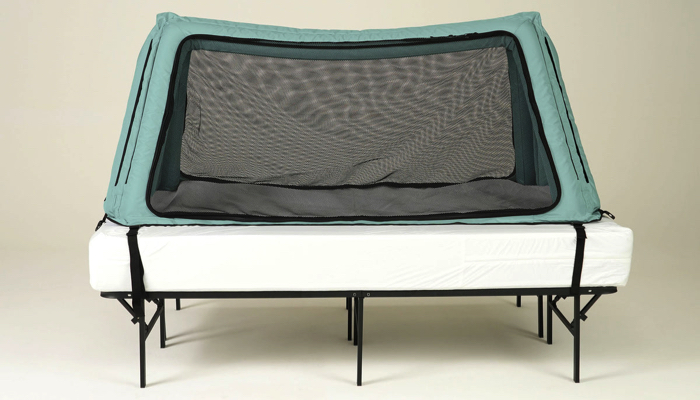
Safe Place Bedding Travel Bed Review
Traveling with a special needs child can be stressful! Having a safe, durable, and easy to use travel bed can make traveling so much easier!
Sleep, Special Needs
Sleep Regimen for Premature Babies: Special Considerations
It can take premature babies much longer than their full-term peers to sleep for long stretches. A preemie sleep schedule may encourage better sleep.