
Making Braille Fun: Introducing Handi Exceller’s Innovative Learning Tools for Blind Students

Learning braille is a crucial skill for blind children, but it can sometimes feel like a daunting process. Parents and educators often search for engaging ways to teach braille while keeping kids motivated. That’s where Handi Exceller comes in.
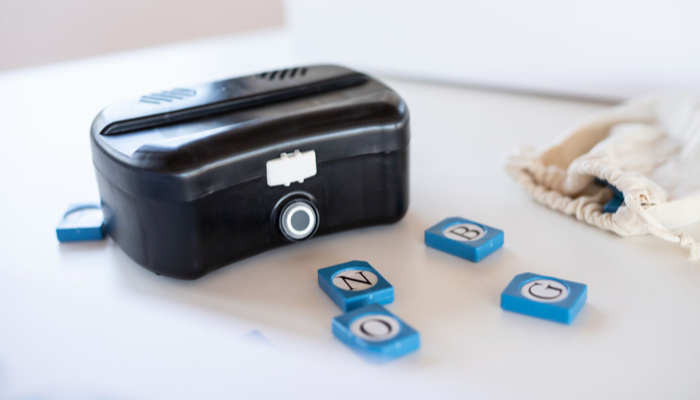
Founded in 2018 in Metz, France, Handi Exceller was born from a simple but powerful idea: learning braille should be both fun and accessible. The company started when an engineering student and a visually impaired neighbor teamed up to create an interactive and gamified way to teach braille. Today, their vision has resulted in two groundbreaking educational tools: Br’eye, a braille-learning device with interactive dominoes, and Marble, an accessible computer program filled with educational games.
Br’eye: A Hands-On Approach to Braille Learning
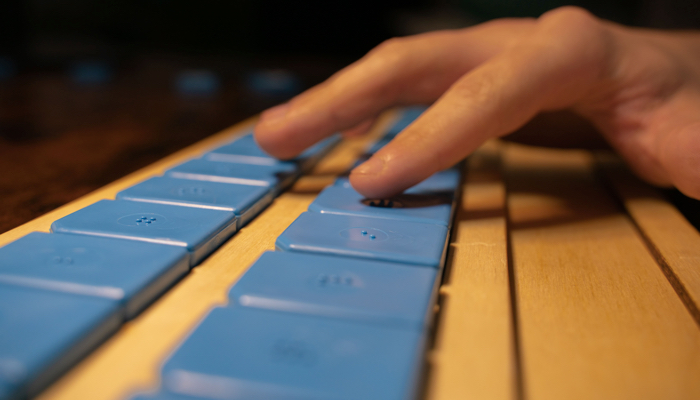
Br’eye is an innovative device that helps children learn braille through interactive gameplay. It guides students with audio instructions, allowing them to respond using braille dominoes. The device recognizes the selected domino, evaluates the user’s input, and provides feedback through audio cues.
What makes Br’eye truly special is its tactile approach—children manipulate physical dominoes with raised braille dots, reinforcing their tactile perception while playing games. With 24 different games available at various difficulty levels, Br’eye makes learning braille engaging and progressive, helping children build confidence and fluency in an interactive way.
Marble: An Accessible Computer Software for Braille and Adaptive Computing
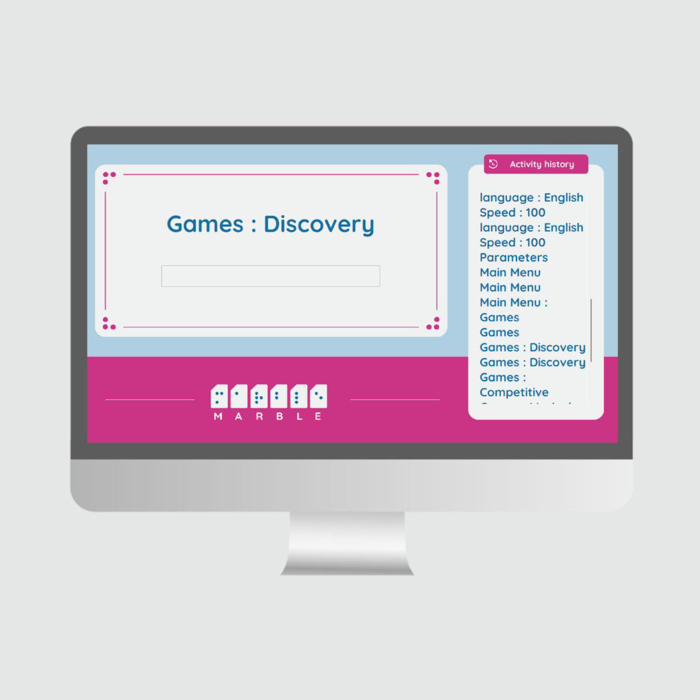
For parents looking for a digital approach, Handi Exceller offers Marble, a computer software program designed to teach braille and adaptive computing skills through over 24 educational games. Compatible with Windows, macOS, and Linux, Marble supports multiple input methods, including typing keyboards, Perkins-style keyboards, and braille displays.
The highly customizable software allows users to adjust display contrast, font size, and voice settings to meet their specific needs. With 14 structured lessons, students can learn independently while tracking their progress through quizzes and gameplay. Teachers and parents can monitor strengths and areas for improvement, making it a valuable tool for structured braille education.
Bringing Br’eye and Marble to Your Home or School
Handi Exceller’s tools provide a much-needed blend of education and entertainment. They make braille learning easier for children and give teachers effective ways to support their progress.
For families, Br’eye can be a fantastic tool for reinforcing braille skills at home, while Marble allows kids to develop braille literacy and computer proficiency in a fun and interactive way.
Advocate for Braille Learning Tools in Schools!
Many parents don’t realize they can request schools and vision programs to explore new braille learning tools. If you think Br’eye or Marble would benefit your child’s school or vision program, reach out to your child’s Teacher of the Visually Impaired (TVI), special education department, or school district to ask about bringing these tools into the classroom.
By making braille fun and interactive, Handi Exceller is helping to bridge the gap between accessibility and education, ensuring that blind children have the tools they need to succeed.For more information on Br’eye and Marble, visit Handi Exceller’s website and explore how these innovative products can support your child’s braille learning journey.
Related Posts
Braille and Literacy
Fold, Feel, Read: How Origami Builds Pre-Braille Skills
Blind adult and origami enthusiast Lindy van der Merwe shares how paper folding can help blind children build important pre-braille skills, including tactile discrimination, spatial awareness, bilateral coordination, and active...

Braille and Literacy
3 Inclusive Creative Writing Games for Blind and Disabled Children
Three creative-writing games transform simple words, numbers, and stories into collaborative poems. These playful activities encourage imagination, teamwork, language development, and creative thinking while helping children discover that poetry can...

Braille and Literacy, Music Play, Special Needs, Visual Impairment
Braille needs allies. Music can be one of them.
An inspiring look at how music can support Braille literacy, creativity, and inclusion for blind children.