
5 Spring Cleaning Tips for Families of Children with Disabilities


This post may contain affiliate links; please see our terms of use for details.
Spring is the perfect time to refresh our homes, routines, and even our mindsets. For families of children with disabilities, spring cleaning isn’t just about dusting and decluttering; it’s about creating a space that supports accessibility, comfort, and well-being. A well-organized environment can make daily life smoother, reduce stress, and enhance your special needs child’s ability to engage and thrive.
Here are five practical and inspiring spring cleaning tips tailored to families of children with disabilities:
1. Declutter with Accessibility in Mind
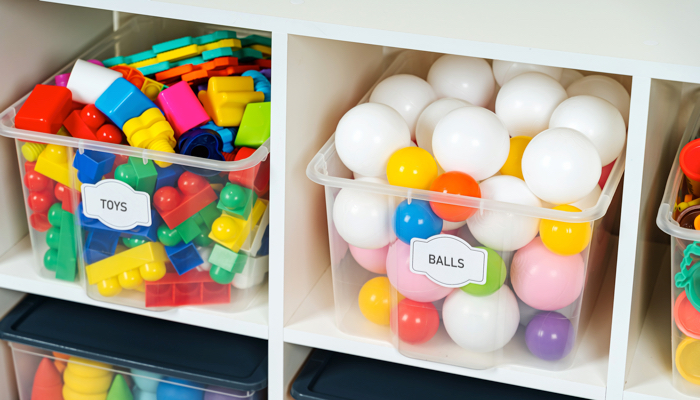
Before diving into deep cleaning, take a step back and evaluate your space. Is everything set up for your child’s needs? Decluttering isn’t just about getting rid of excess; it’s about making your home more functional. Consider:
- Clearing pathways for wheelchairs, walkers, or other mobility aids.
- Organizing frequently used items at an easy-to-reach height.
- Labeling bins with braille, large print, or tactile markers for children with visual impairments.
- Removing tripping hazards like loose rugs or excess furniture. A thoughtfully arranged space can improve independence and reduce daily frustrations for both you and your child.
Decluttering can also be an opportunity to give back. Many families struggle to afford adaptive equipment, so consider donating gently used but no longer needed items to local disability organizations, therapy centers, or community groups. Not only does this free up space in your home, but it also provides valuable resources to those who need them most.
2. Deep Clean Adaptive Equipment and Sensory Tools

Adaptive equipment, medical devices, and sensory toys are essential parts of your child’s daily life, but they often collect dust, bacteria, and allergens. Spring cleaning is a great opportunity to:
- Sanitize wheelchairs, walkers, and standers with appropriate cleaning solutions. Every spring, I take my son’s wheelchair out to the yard to hose it down and scrub it with bleach spray. Since he eats most of his meals in his wheelchair, food spills build up quickly. I also remove the fabric parts, like the seat cover, and toss them in the washing machine. A deep clean like this keeps the chair fresh and hygienic.
- Wash or replace worn-out therapy balls, compression vests, and fidget tools. Equipment that is provided through insurance can often have parts replaced at no cost. For example, my son uses a respiratory therapy vest, and once a year, we can request new hoses and an outer shell for the vest. Insurance will also cover replacement nebulizers and masks. Use this time of year to check in with your DME provider to see what pieces of your equipment can be updated or replaced to keep them clean and hygienic.
- Check for cracks or damage in chewable sensory toys and replace them if needed.
- Deep-clean weighted blankets, crash pads, and other fabric-based sensory supports. Keeping these items fresh and clean can help prevent infections, allergic reactions, and ensure they function as intended.
3. Reassess and Rotate Toys and Learning Materials
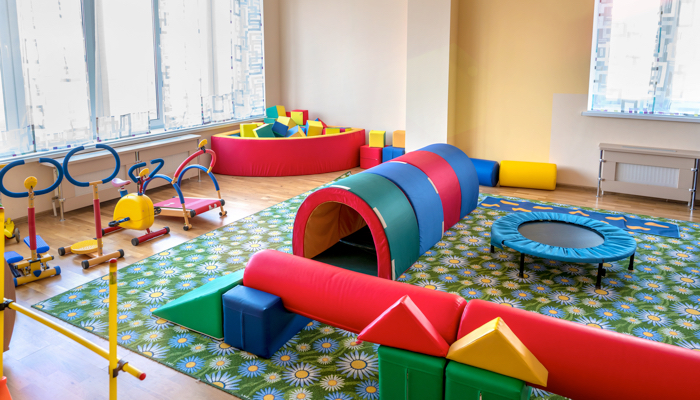
Children can outgrow certain toys, books, and learning materials, but that doesn’t always mean they need to be discarded. Instead:
- Rotate toys to keep things fresh and engaging.
- Donate gently used items to local disability organizations, therapy centers, or schools.
- Create a toy and learning material system that promotes easy access and independent play. Spring is also a great time to introduce new sensory experiences, such as a new texture board, musical toy, or interactive book, to keep engagement high.
4. Organize Medical Supplies and Paperwork

Between therapy sessions, doctor’s appointments, and adaptive equipment, medical paperwork and supplies can quickly become overwhelming. Use this season as an opportunity to:
- Check expiration dates on medications, feeding tube supplies, or other medical necessities. Since so many members of our household are taking medications, we developed a simple but effective management system for medications.
- Organize medical documents into an easy-to-navigate binder or digital system.
- Set up a clearly labeled storage system for daily medical supplies. I picked up a Phomemo label maker machine for our medical supplies and pantry items. It works through a phone app, and it is so much fun to use! A well-structured system reduces stress and ensures you can find what you need quickly in an emergency.
5. Refresh Routines and Self-Care Spaces
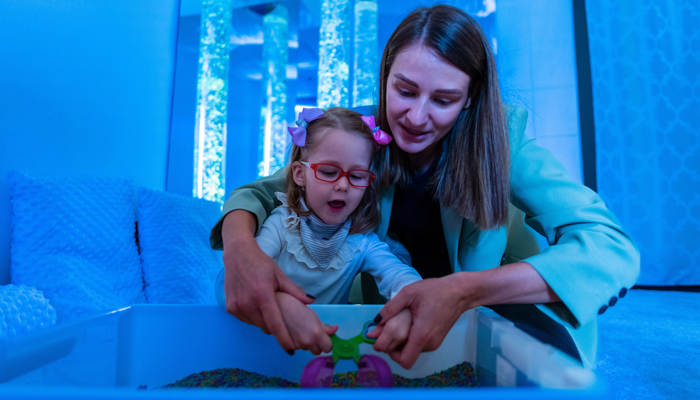
Spring cleaning isn’t just about the physical environment; it’s also a time to renew routines that support your child’s well-being. Consider:
- Adjusting sleep spaces to improve rest and relaxation.
- Evaluating current therapy schedules to ensure they still meet your child’s needs.
- Creating a calming corner or safe sensory space where your child can self-regulate.
And don’t forget yourself! Decluttering your personal space and setting aside time for self-care can improve your energy and resilience as a caregiver.
A Fresh Start for Spring
Spring cleaning doesn’t have to be overwhelming; it’s a chance to create a home that better supports your child’s growth, comfort, and independence. By focusing on accessibility, cleanliness, organization, and refreshing routines, you can step into the new season with a renewed sense of clarity and ease.
Do you have a spring cleaning routine that works well for your family? Take this opportunity to reflect on what changes could make your space more functional and supportive. A little effort now can lead to a more organized and refreshing season ahead!

Related Posts

Assistive Technology, Orientation and Mobility, Visual Impairment
A New Mobility Technology for Blind Users: Lumen Smart Glasses
Learn about Lumen smart glasses, an innovative assistive technology designed to help blind and visually impaired users navigate safely and independently.

Braille and Literacy, Music Play, Special Needs, Visual Impairment
Braille needs allies. Music can be one of them.
An inspiring look at how music can support Braille literacy, creativity, and inclusion for blind children.

Parenting, Special Needs
Love Languages for Kids With Disabilities: 5 You Might Miss
Learn 5 love languages you might miss in kids with disabilities and special needs, plus simple ways to recognize and respond to their unique signs of connection and affection.