
Sense of Play

This post may contain affiliate links; please see our terms of use for details.
There aren’t very many children’s books featuring characters who are blind, but the ones that do exist generally follow the same blueprint: Kids with vision are introduced to a child who is blind; The sighted kids at first feel trepidation to play with their new blind peer because they don’t know how to interact with him; The blind kid explains how he uses braille, a cane, and other adaptive equipment to help him in place of vision; All of the kids accept their new friend and are excited to learn more about how he uses his hands or his hearing to explore the world.
This is a perfectly fine story for a book, especially when we are introducing sighted kids to the concept of blindness, but the emphasis still tends to be on the difference of the child with a visual impairment, rather than on the things all of the kids have in common.
No products found.
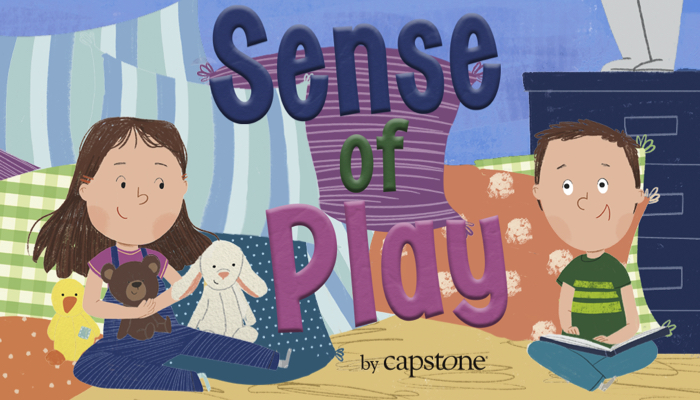
And that’s what I really love about Dana Meachen Rau’s new picture book, Sense of Play. Dana writes about two siblings, Chip and Joy, who spend a day together playing. Yes, Chip is holding a white cane on the cover of the book, and yes, he does read a book to Joy at one point during their adventures with “little dots in his book,” but besides those clues, you might not even notice Chip’s disability. In Dana’s world, Chip is just Chip!
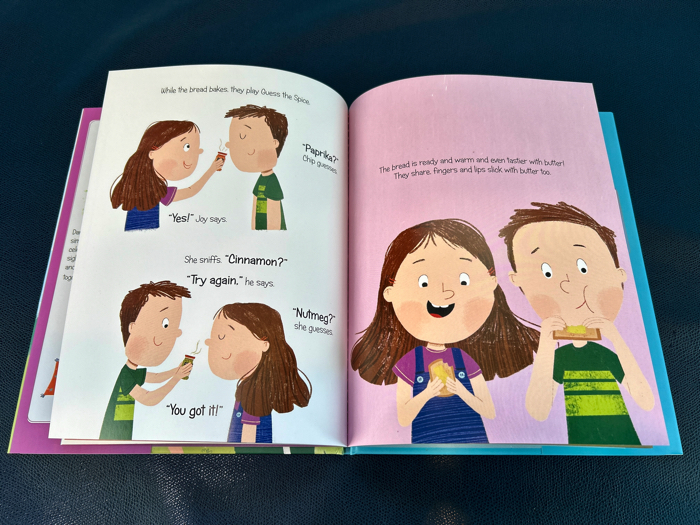
Chip and Joy have a really sweet relationship and play games that are fully accessible to both without being preachy about adaptations, acceptance, or disability. In this book, Chip’s blindness is a very small part of his personality. Chip is firstly imaginative, protective of his little sister, funny, and smart!
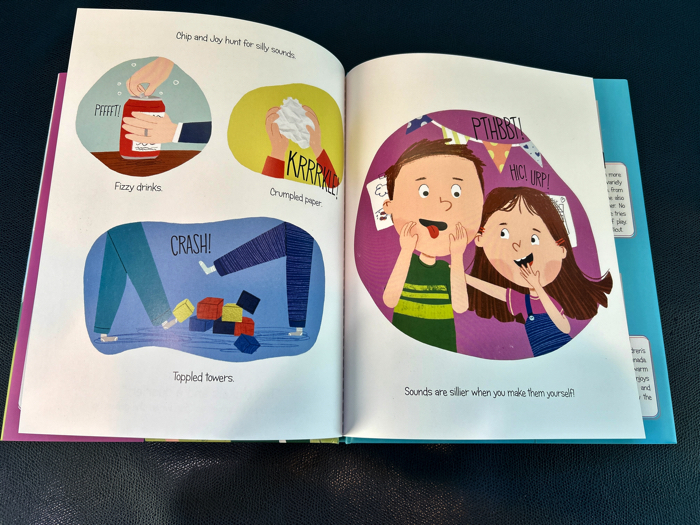
Dana subtly weaves in references to sounds, smells, and tactile engagement to highlight how easy it is to play with a child who can’t see. Chip and Joy don’t need to work through the difficulties of relating to each other without vision, it just happens naturally, as is the case in real relationships. The story is charming and would be a wonderful addition to any child’s library!
Related Posts
Braille and Literacy
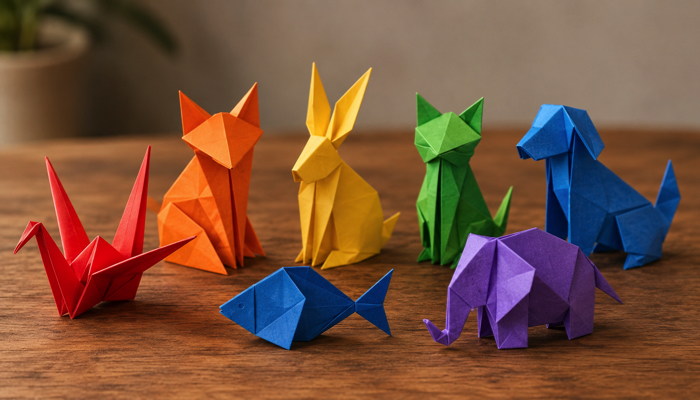
Fold, Feel, Read: How Origami Builds Pre-Braille Skills
Blind adult and origami enthusiast Lindy van der Merwe shares how paper folding can help blind children build important pre-braille skills, including tactile discrimination, spatial awareness, bilateral coordination, and active...
Product Reviews, Sleep
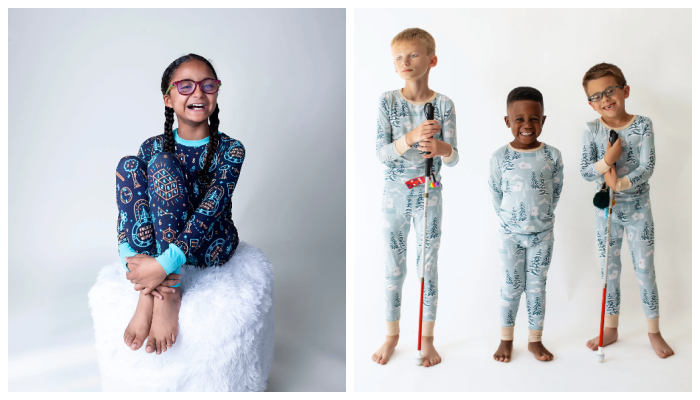
Penny’s Pixies: Soft Pajamas That Help Kids Dress More Independently
Penny’s Pixies creates soft, sensory-friendly bamboo pajamas designed to help children dress more independently, including a tactile Braille “FRT” front indicator so blind and visually impaired children can identify the...

Braille and Literacy
3 Inclusive Creative Writing Games for Blind and Disabled Children
Three creative-writing games transform simple words, numbers, and stories into collaborative poems. These playful activities encourage imagination, teamwork, language development, and creative thinking while helping children discover that poetry can...