
What I Wish Someone Had Told Me When My Child was First Diagnosed with a Disability

This post may contain affiliate links; please see our terms of use for details.
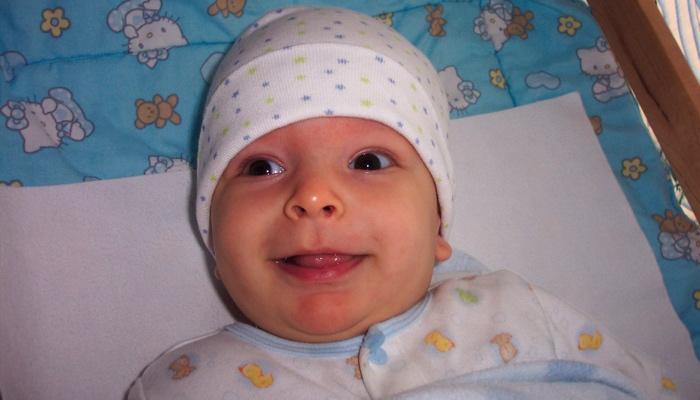
When Ivan was born, we were in the NICU for a week. His breathing was irregular and he aspirated when feeding. He was run through a battery of tests, but essentially sent home with a shrug. Our doctor’s message wasn’t inspiring: “There’s something wrong with your baby, but we don’t know what it is.”
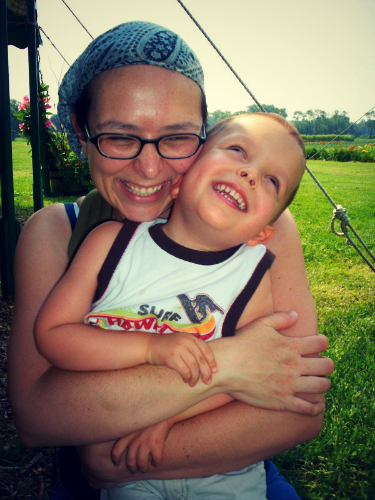
That was almost 10 years ago, and now we have diagnoses and protocols. But more than any of that, we have a happy, beautiful almost-ten-year-old boy who laughs and loves and lives his best life.
With Ivan’s 10th birthday on the horizon, I’ve been thinking a lot about where we’ve been and where we’re going. It’s so hard for me to relate to what it felt like to have a baby with “issues” or what it felt like to receive a tentative diagnosis of LCA and blindness when he was three months old.
I’ve been wondering about that. Why is it so hard for me to bring up the fear and uncertainty I know I felt? Why can’t I tap into those feelings and start crying all over again?
And you know what? It’s because I look at who Ivan is now and think, “How could this boy’s mere existence ever make me cry?” He’s just too wonderful for that to have ever been real. I don’t want to say that “I moved past my grief” or that “I’m in a different place now.” That doesn’t quite capture it. I think that I just now understand who Ivan is and I know that there is no way being Ivan’s mother could ever be a negative thing.
Even though I can’t relate to her, I do remember the person I used to be 10 years ago. I remember that she was scared and overwhelmed. I remember the anxiety and panic. If I could go back in time, what would I say to her?
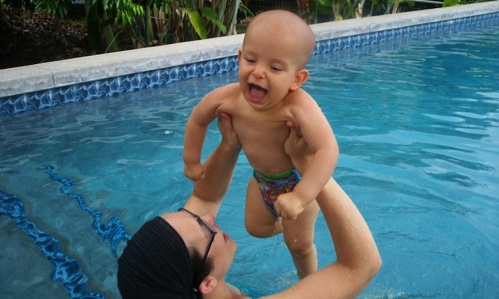
- Your child will bring you more joy than you can ever imagine. Yes, it’s difficult now and the difficulties and challenges will continue. You’ll have sleepless nights, stays at the hospital and long medical tests. You’ll have to juggle therapies and doctor’s appointments and spend hours on the phone with the insurance company. But when your child laughs or does something he’s never done before or just sleeps in that silly position that only he could possibly find comfortable, your heart will melt and the joy will be almost unbearable.
- Listen to your instincts and don’t always believe what the doctors tell you. You know your child better than anyone and when you think something looks funny or needs to be checked out, you’re probably right. When a diagnosis doesn’t seem to fit, keep looking for another one, because you’re probably right. You may not have a medical degree, but you know what? You’re still probably right.
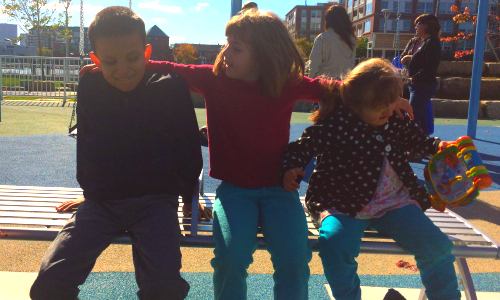
- You’re going to meet some of the best people in the world and you’ll have amazing friends. Remember how you weren’t popular in high school? Who cares! The friends you meet and keep on this journey are the people who will lift you up and support you no matter how bad things get. You’ll always have someone to call or message when you need advice or just need someone to listen, and that’s a wonderful gift. You’re not alone.
- A lot of those things you’re worried about now don’t really matter. I don’t mean to sound harsh or tell you that your fears are unfounded, but some of those things that you are totally obsessing over now, will become footnotes in your life later. Here’s a big one: “How much can he see?” That seems like the most important question in the world right now, but really, it’s not. He sees what he sees. End of story. And here’s another one: “Will he hit his developmental milestones?” Well, no, not all of them (some of them he’ll knock out of the park). And guess what? It’s OK. If you love and play with your child, he’ll develop. You may worry now that not having that perfect sensory toy will create long-term developmental damage, but really, it won’t make a difference.
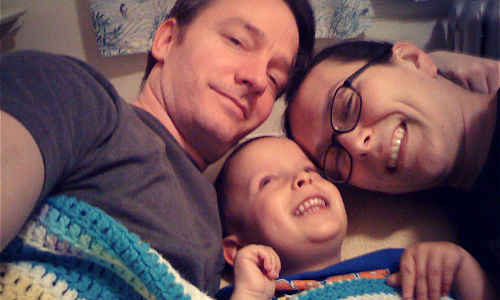
- Your child may have multiple diagnoses and many challenges to overcome, but he’s still just a kid. And when he’s a baby, he’s still just a baby. While you’re sitting there worrying about all the therapy or equipment he needs, what he really needs more than anything is love and cuddles. When he’s a bigger kid he still needs the love and cuddles, plus he also needs friends and he needs to go out and have fun. Find what engages him and get him involved. He’s just a kid and that’s what kids do!
- Take care of yourself! I know you just rolled your eyes, but listen to me, this is important. You are the rock. You are what keeps this family together. You need to be at the top of your game, so do what you need to do to keep yourself whole and happy. Eat healthy, exercise, take time for yourself now and then. It doesn’t have to be something major like going to the spa for the weekend. Maybe just finding a few minutes to lay down and read a book will be enough. Relax when you can and if someone offers to help, say yes! And laugh. Always laugh. Life is funny and you’ll feel better when you allow yourself to see it
Read this article in Arabic: حيوا-السيدة-العمياء
Related Posts

Assistive Technology, Orientation and Mobility, Visual Impairment
A New Mobility Technology for Blind Users: Lumen Smart Glasses
Learn about Lumen smart glasses, an innovative assistive technology designed to help blind and visually impaired users navigate safely and independently.

Braille and Literacy, Music Play, Special Needs, Visual Impairment
Braille needs allies. Music can be one of them.
An inspiring look at how music can support Braille literacy, creativity, and inclusion for blind children.

Parenting, Special Needs
Love Languages for Kids With Disabilities: 5 You Might Miss
Learn 5 love languages you might miss in kids with disabilities and special needs, plus simple ways to recognize and respond to their unique signs of connection and affection.