
Ballyland: Computer Game for Blind Kids

We tend to think of video games as being very vision oriented, but there are more and more computer games and apps designed specifically for children with visual impairments or low vision.
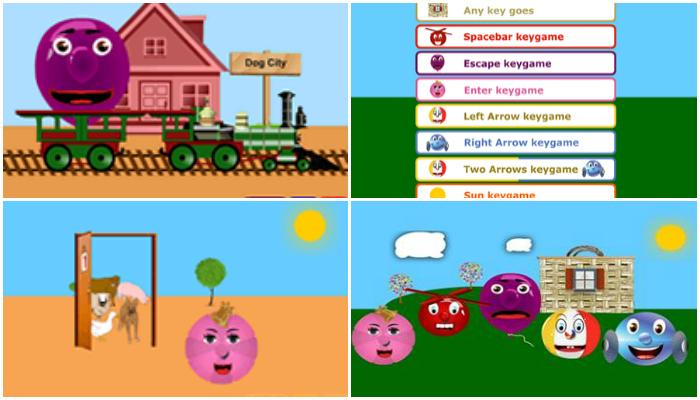
Ballyland is a computer game for visually impaired kids from Sonokids, an Australian company.
Ballyland is very easy to use and designed for very young kids or kids who are just learning how to use a computer. The point of the game is to familiarize children with the keyboard and get them comfortable using a computer and listening to spoken feedback (by real voices) as well as other audio feedback such as stories, sound effects and songs.
BALLYLAND SYSTEM REQUIREMENTS
WINDOWS:
Windows 98 or higher
512 Mb of RAM
100 Mb Disk space
MAC:
OS X 10.4 or higher
512 Mb of RAM
100 Mb Disk space
The tempo and color contrast of the games can be customized to best suit your child. Everything that happens on the screen is either narrated or there are sound cues, so the game can be played entirely without vision too. There are eight games packed into Ballyland and they increase in complexity as you move down the menu. All of the games are simple, but you move from being able to hit any key to play a game… to having to hit a specific key… to having to hit a specific key at a specific time.
When playing a game that asks your child to only hit a specific key (like the spacebar), all the other keys on the computer are disabled so only the spacebar works. Ballyland is also totally accessible with a switch.
To get a better idea of how Ballyland works, check out this video:
Related Posts

Assistive Technology, Orientation and Mobility, Visual Impairment
A New Mobility Technology for Blind Users: Lumen Smart Glasses
Learn about Lumen smart glasses, an innovative assistive technology designed to help blind and visually impaired users navigate safely and independently.

Braille and Literacy, Music Play, Special Needs, Visual Impairment
Braille needs allies. Music can be one of them.
An inspiring look at how music can support Braille literacy, creativity, and inclusion for blind children.

Tactile Arts and Crafts, Visual Impairment
What Does Art Feel Like? A Guide to Tactile Creativity for Blind Children
Discover how blind children explore art through touch. Learn practical ways to support tactile creativity, build early Braille literacy, and nurture imagination with hands-on projects, textures, and accessible art experiences.