
What can your blind child learn while baking in the kitchen?

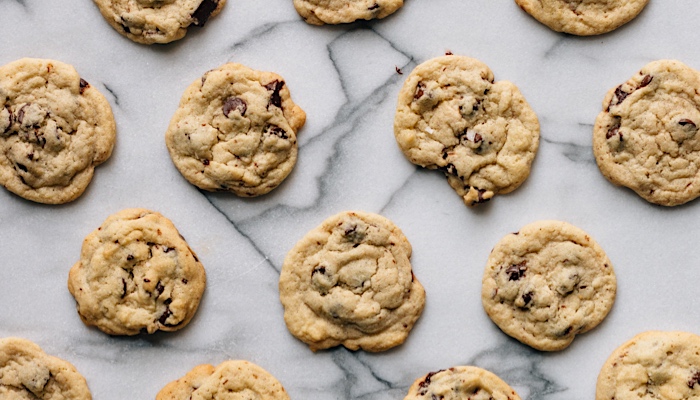
The kitchen is the perfect place to teach your visually impaired child important life lessons. Think about all the things you learn just while making cookies: that one cup is bigger than half a cup; that the mixing bowls are stacked in the cupboard; that sugar is sweet and oil is slick; and that the eggs are kept in the refrigerator while the sugar is kept in the pantry.
These are all things that may seem like common sense to you and that sighted children can learn just by watching, but without hands-on guidance from you, how else will your child understand these simple facts?
The best part about kitchen learning for us is that everything is edible! It’s ok to feel the sugar with your hands and your mouth, and when we’re all done we have a delicious batch of cookies to enjoy with friends and family!
My friend, Lori, really enjoys baking with her two children. One of her favorite recipes is for Coconut Nest Cookies. They’re easy, tasty and gluten free!
Watch the video below to see her kids adding the finishing touches to their nests and then scroll down for the recipe. Bon appétit!
Coconut Nest Cookies
2 cups sweetened shreeded coconut, divided
1/2 cup sweetened condensed milk
1/4 cup cornstarch
1/8 teaspoon salt
1/2 teaspoon vanilla extract
1/4 teaspoon almond extract
1 to 2 dops of green food coloring (optional)
chocolate candies
- Place a rack in the middle of the oven. Preheaat the oven to 350° F. Line a 15 X 10-inch baking sheet (not non-stick) with parchment paper.
- In a medium bowl, beat 1 1/2 cups of the coconut plus all the remaining ingredients together with an electirc mixer on low speed until well blended. Shape into balls of 1 teaspoon each, dip in the remaining 1/2 cup of coconut and place, 1 inch apart, on the baking sheet. Press down the center of each nest with the back of a teaspoon or your finger to create an indentation.
- Bake 10-15 minutes on the baking sheet and press the indentation again with your finger. Transfer to a wire rack to cool completely. Decorate with your candy of choice (we used m&m’s).
- Store, tightly covered, for up to 2 days or in the freezer for up to 1 month.
Related Posts

Assistive Technology, Orientation and Mobility, Visual Impairment
A New Mobility Technology for Blind Users: Lumen Smart Glasses
Learn about Lumen smart glasses, an innovative assistive technology designed to help blind and visually impaired users navigate safely and independently.

Braille and Literacy, Music Play, Special Needs, Visual Impairment
Braille needs allies. Music can be one of them.
An inspiring look at how music can support Braille literacy, creativity, and inclusion for blind children.

Tactile Arts and Crafts, Visual Impairment
What Does Art Feel Like? A Guide to Tactile Creativity for Blind Children
Discover how blind children explore art through touch. Learn practical ways to support tactile creativity, build early Braille literacy, and nurture imagination with hands-on projects, textures, and accessible art experiences.