
Self-Driving Car from Google

More than one blind person has mentioned that being unable to drive is a real downside to blindness. Driving is freedom, it’s independence. It’s being able to get where you want, when you want, without anyone else involved.
But as most of us know, to be able to drive you need to be able to see: the road, the other drivers, the unexpected obstacles that inevitably crop up. Or have the means to hire your own driver. Either way, it takes driving off the road for many.
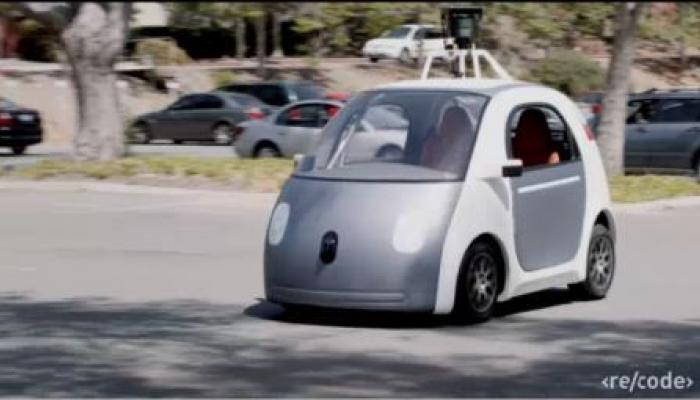
So Google has created a prototype car that drives itself. It has no steering wheel, brakes or accelerator pedal; it works with GPS and sensors. The car has only two seats and is meant for slow (25 mph) city driving, so it’s not for long distances, but good for just getting around town. If it works, it would be a boon for all kinds of people with mobility issues as well as vision impairment.
So far it’s seen 700,000 miles of testing, but that’s with back-up people monitoring it in case anything goes wrong. But Google’s goal is to get this on the road for real now, and over the next year manufacture 100 cars for volunteer drivers to test out.
You can see the full story about the self-driving car from Google here.
Related Posts

Assistive Technology, Orientation and Mobility, Visual Impairment
A New Mobility Technology for Blind Users: Lumen Smart Glasses
Learn about Lumen smart glasses, an innovative assistive technology designed to help blind and visually impaired users navigate safely and independently.

Assistive Technology, iPad Apps and Accessibility, Visual Impairment
Apple Unveils New Accessibility Features: What It Could Mean for Blind and Disabled Children
Apple announced new accessibility features, including visual aid tools for the Vision Pro headset. Here's what these updates could mean for blind and disabled children, plus what parents and educators...
Assistive Technology, Support
May We Help: Engineering Independence for People with Disabilities
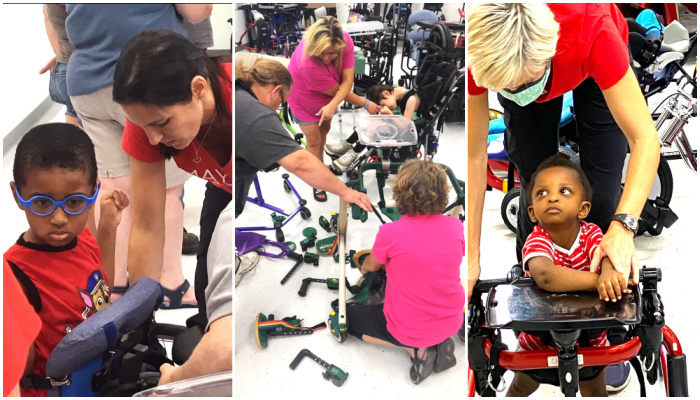
May We Help is dedicated to designing and building custom solutions that help individuals of all ages achieve mobility, access, and independence, all at no cost.