
Foundation for Blind Children

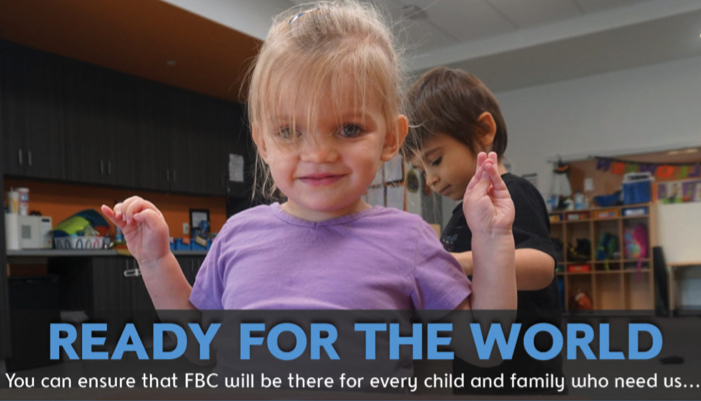
FBC services for infants, up to age three, are provided in the family home with the goal of educating and empowering parents to facilitate optimal learning and development of their young blind child. Their certified teachers of the visually impaired intentionally teach each child concepts that most children learn by imitating what they see others do.
FBC has preschool and elementary classrooms in three Arizona locations. Most students will transition to their neighborhood schools for kindergarten or first grade. For those students who would benefit from additional time at FBC, elementary education continues through grade four.
Teens benefit from FBC through an adaptive recreation program, filled with activities to help develop hobbies and talents, while building friendships and promoting independence. College readiness and teen-to-work programs equip college-bound students with the knowledge, confidence and leadership skills to successfully transition to college and earn a degree.
Adult Transition Services provides training for adults to gain or maintain employment and develop their independent living skills. Some clients have been blind since childhood and just need additional training to hone their skills, while others become blind as adults and need rehabilitation training to learn the skills necessary to continue to work or live independently.
FBC has a full-time optometrist on staff who specializes in low vision and provides low vision aides and devices beyond what a typical optometrist is able to provide. These aides and devices allow patients to continue to work, continue to drive and continue to live independently.
Related Posts

Assistive Technology, Orientation and Mobility, Visual Impairment
A New Mobility Technology for Blind Users: Lumen Smart Glasses
Learn about Lumen smart glasses, an innovative assistive technology designed to help blind and visually impaired users navigate safely and independently.

Braille and Literacy, Music Play, Special Needs, Visual Impairment
Braille needs allies. Music can be one of them.
An inspiring look at how music can support Braille literacy, creativity, and inclusion for blind children.

Tactile Arts and Crafts, Visual Impairment
What Does Art Feel Like? A Guide to Tactile Creativity for Blind Children
Discover how blind children explore art through touch. Learn practical ways to support tactile creativity, build early Braille literacy, and nurture imagination with hands-on projects, textures, and accessible art experiences.