
Raising a Blind Child with Albinism

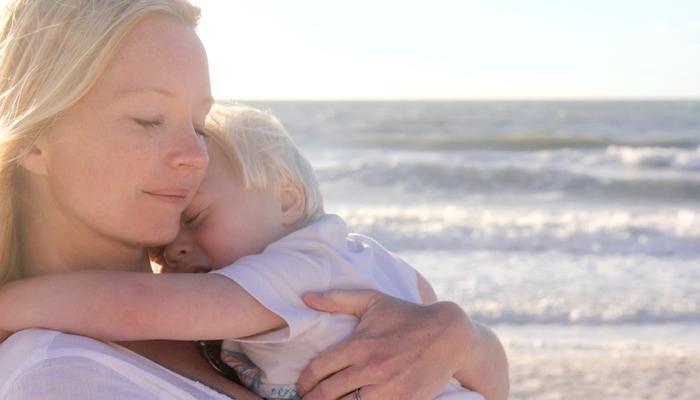
Mary is the mother of a wonderfully beautiful little four-year-old girl. She writes here briefly about her daughter and is a frequent contributor to WonderBaby.org.
Before my daughter was born, I had known only one person in my life who was blind. By coincidence, I had always intended that my daughter be named after this woman, because she had been strong, independent, and so generous that whole families owed her a debt of gratitude.
The only thing in her life that this woman had no patience for or tolerance of was her own blindness, which had come on very slowly as a result of diabetes, late in her life.
My daughter, who was born with the gene for albinism positively shining in her hair, has inherited more of my aunt than I had thought possible. She is strong and independent too, and so curious about the world that she does not see well that her eyesight does not seem to hinder her as much as it might.
Her first four years have been a revelation to me and I am not only immensely proud of her, but also fascinated by her inbuilt wisdom and strategies for overcoming her visual impairment. I suspect that having a blind or visually impaired child means lifelong learning for parents, but it is a small price to pay for a child who looks like an angel and works like a Trojan.
Related Posts

Assistive Technology, Orientation and Mobility, Visual Impairment
A New Mobility Technology for Blind Users: Lumen Smart Glasses
Learn about Lumen smart glasses, an innovative assistive technology designed to help blind and visually impaired users navigate safely and independently.

Braille and Literacy, Music Play, Special Needs, Visual Impairment
Braille needs allies. Music can be one of them.
An inspiring look at how music can support Braille literacy, creativity, and inclusion for blind children.

Tactile Arts and Crafts, Visual Impairment
What Does Art Feel Like? A Guide to Tactile Creativity for Blind Children
Discover how blind children explore art through touch. Learn practical ways to support tactile creativity, build early Braille literacy, and nurture imagination with hands-on projects, textures, and accessible art experiences.