
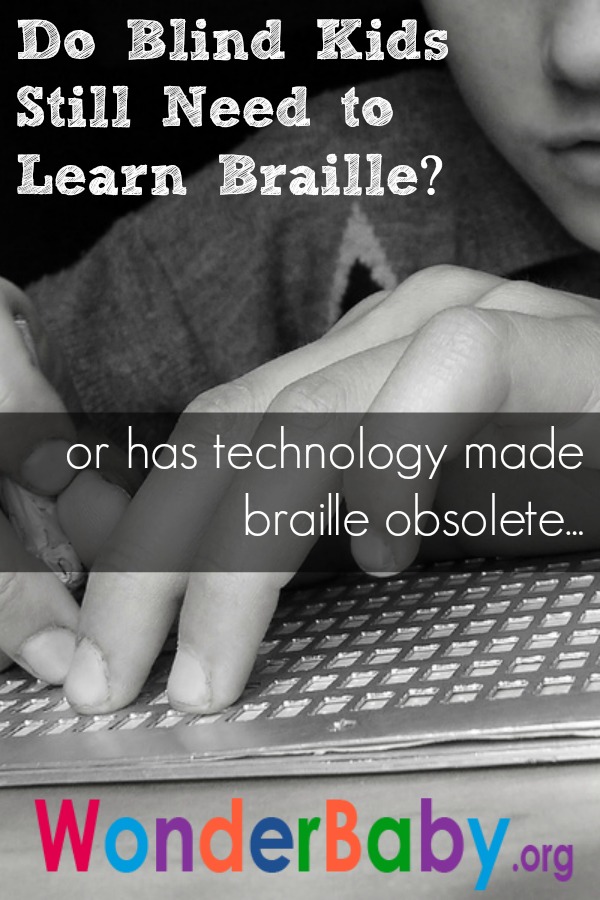
Do Blind Kids Still Need to Learn Braille?


Why Kids Who are Blind Don’t Actually Need to Learn Braille
You’ve probably heard the statistic that less than 10% of blind Americans read braille. That may sound appalling at first, but have you thought about the alternatives?
Yes, there are many alternatives to braille and as technology advances so do our options for accessing the written word (or other forms of information) without ever actually having to read a single letter.
From screen readers like JAWS on your computer or VoiceOver on your iPhone to audio books and MP3s, there are multiple ways to listen to words rather than read them. This is something I’ve been thinking about for a few years now, ever since I read this provocative piece in the New York Times titled Listening to Braille which makes the argument that braille is a thing of the past.
For one thing, just think about how terribly cumbersome braille is. When National Braille Press printed the Harry Potter series in braille it covered a whopping 56 volumes! Try carrying that down to the local cafe for a coffee and a quick read. And not to mention the price: It can cost as much as $1000 for a school to transcribe one textbook into braille. Does that really make sense?
And, as I mentioned above, there are so many simpler and easier alternatives to braille. You can even sign up for services that will read you the newspaper over the phone and text-to-speech technology is advancing quickly. Check out this prototype that reads printed word with a simple point of the finger or the OrCam wearable device that can read print, signs or even recognize faces. Apps like BeMyEyes use AI to read labels and signs for users who are blind.
So you see, reading braille is actually completely over rated!
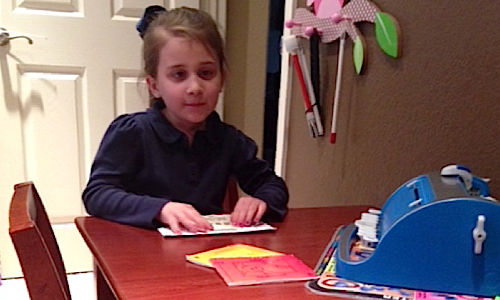
Making the Case for Braille Literacy
Ok. Enough with playing devil’s advocate. While it can be difficult to argue with the proponents of audio over braille (I mean they’re right, there are a lot of options out there to access the written word beyond braille), there is really no replacement for literacy.
If we turn the argument over to the sighted world you can see how ridiculous it is. Would we ever say that a sighted five year old shouldn’t learn his ABCs because he can just watch television or listen to audio books? Of course not! We’d consider that a travesty of the educational system. So why is it ok to have completely sub-standard goals for kids who are blind?
Technology has brought with it many awesome and convenient ways to access print without braille, but that does not mean that braille is now obsolete. Think about all the things that reading braille does for our kids:
- Reading in general stimulates the brain. On MRI, literate subjects have more gray matter in the part of the brain responsible for processing language as well as more white matter connecting the two hemispheres of the brain, suggesting higher brain development in those who read. Reading braille specifically stimulates both the visual and tactile cortex.
- Reading is culture. We refer to print in our language and the way we relate to each other. Imagine not knowing what a period is or that sentences start with capital letters. Would you really understand what it means when someone says, “No, I am not interested in going to the party with you. Period. End of sentence.”
- Being able to read brings independence. Sure, you could have someone read to you, but there’s much more advocacy in being able to choose your own reading material and read at your own pace.
- Yes, braille can be expensive, but audio and other non-braille alternatives aren’t always cheap or readily available either. It’s always good to have as many options available as possible, including braille.
- Those who can read can also write. Literacy is more than just consuming, it also allows you to create.
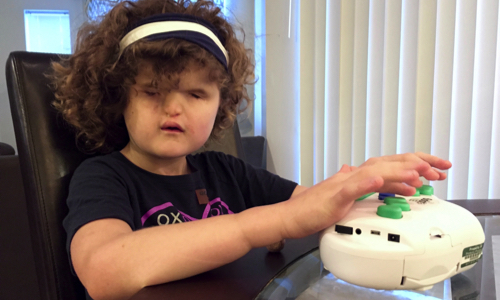
Do We Really Have to Choose Between Technology and Braille?
Here’s the big secret in the braille vs technology debate: We don’t have to choose! Braille technology is also advancing at a quick pace and there are so many ways to access braille through tech devices. Here are some of my favorites:
- Remember the argument that braille is cumbersome? Well, yeah, it is. So is a print book, to be honest, and that’s why so many people these days read books on their phone through the Kindle app. You can also read braille through a refreshable braille display, rendering paper braille unnecessary. Suddenly those 56 volumes of Harry Potter can fit in your bag no problem!
- LeapFrog creates pretty cool toys that talk and teach letters and letter sounds to young children, but they focus on print, not braille. BrailleBot takes this same concept and moves it to the realm of braille.
- Sure you could get a volunteer to read labels for you, or you could create your own braille labels and be so much more independent! This portable and simple 6dot Braille Label Maker is perfect for the job.
- Yes, VoiceOver does make the iPhone accessible through text-to-speech software, but the accessibility of the iPhone doesn’t end there. Did you know you can also turn your iPhone on its side and use it as a brailler through its built in braille keyboard? So now visually impaired users can both listen to Siri and type in braille on their phones.
- BLITAB has also created a fully functional tablet that relies solely on a refreshable braille screen.
So yes, I would say braille is still very much a necessary skill for blind children to learn. And these days that can be done in the old fashioned dots-on-paper way or with really fun and cutting-edge technology (I’d say a well-rounded curriculum would include both).
More Braille Resources
For some families it can be difficult to convince their school districts to focus on braille education, especially if their kids have any residual vision. If you’re looking for more resources to help you make your case for braille, check out the links below:
- Braille Requirements in the Law
- Why Blind Students Still Need to Learn Braille
- Why Megan is Learning Braille
- Reasons Why You Should Learn Braille
- The Importance of Braille
- Why Braille?
Related Posts

Braille and Literacy
Fold, Feel, Read: How Origami Builds Pre-Braille Skills
Blind adult and origami enthusiast Lindy van der Merwe shares how paper folding can help blind children build important pre-braille skills, including tactile discrimination, spatial awareness, bilateral coordination, and active...

Braille and Literacy
3 Inclusive Creative Writing Games for Blind and Disabled Children
Three creative-writing games transform simple words, numbers, and stories into collaborative poems. These playful activities encourage imagination, teamwork, language development, and creative thinking while helping children discover that poetry can...

Assistive Technology, Orientation and Mobility, Visual Impairment
A New Mobility Technology for Blind Users: Lumen Smart Glasses
Learn about Lumen smart glasses, an innovative assistive technology designed to help blind and visually impaired users navigate safely and independently.